Leh – The Jewel of Ladakh
Leh, the capital of the Union Territory of Ladakh, is one of India’s most spectacular high-altitude destinations. Situated at approximately 3,500 meters (11,500 feet) above sea level, it is surrounded by the majestic Himalayas and Karakoram ranges. Renowned for its breathtaking landscapes, ancient monasteries, and unique culture, Leh attracts adventurers, bikers, nature enthusiasts, and spiritual seekers from across the world.
The town’s Buddhist heritage is reflected in its many gompas, including Hemis, Thiksey, Shey, and Spituk Monasteries. Iconic landmarks such as the 17th-century Leh Palace and Shanti Stupa, which offers panoramic views of the town and surrounding mountains, are must-see attractions. Leh Market provides a vibrant glimpse into local life, offering Tibetan handicrafts, woollens, and souvenirs that celebrate Ladakhi traditions.
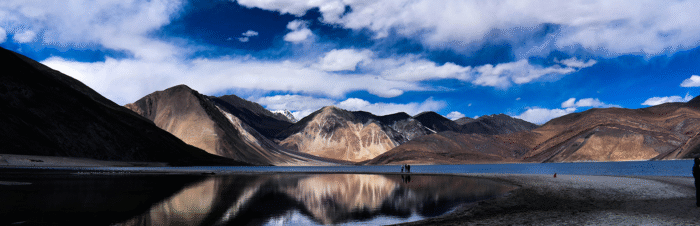
Leh is also a hub for adventure tourism, with trekking, mountain biking, river rafting, and motorbike expeditions—especially to Khardung La Pass, one of the highest motorable roads in the world. The surrounding region features dramatic valleys, rugged deserts, snow-capped peaks, and pristine lakes such as Pangong Tso, Tso Moriri, and the Nubra Valley.
Due to its high altitude, the best time to visit Leh is from May to September, when roads are accessible and the weather is favorable. The town can be reached by air via Leh Kushok Bakula Rimpochee Airport or by road from Manali or Srinagar, though travelers are advised to acclimatize carefully to the thin mountain air.